Watch Manufacturing Services Explained: Your Comprehensive Guide to Partnering with Experts
Navigating the world of watch manufacturing services can be complex, especially for B2B buyers such as watch brands from Europe, the US, Australia, or Africa. Understanding the full spectrum of services offered by a watch making factory is crucial to ensuring product quality, compliance, and timely delivery. This guide delves deep into every stage of the process, highlights the differences between OEM and ODM services, and outlines what startups should prioritize.
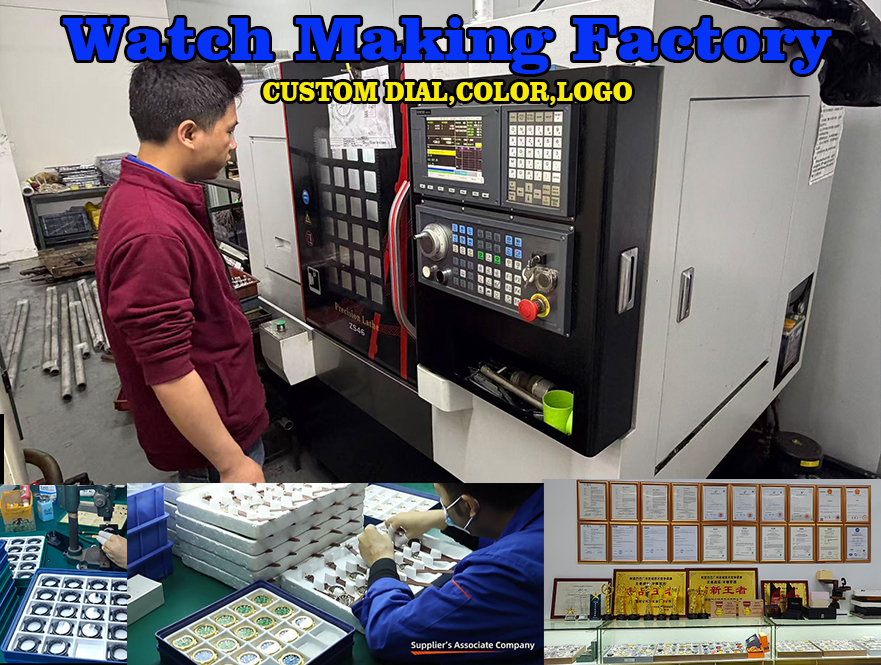
Full List of Watch Manufacturing Services
Partnering with professional watchmaking suppliers involves a multi-stage process. Each phase requires specialized expertise to ensure the final product meets international standards and brand expectations.
Product Design: The Foundation of Your Timepiece
The journey begins with product design, where concepts are transformed into tangible plans. This stage involves:
- Market Research & Trend Analysis: Understanding regional preferences (e.g., minimalist designs in Europe vs. bold styles in Africa).
- Technical Specifications: Defining materials, movement type (quartz, mechanical, or automatic), and water resistance.
- Aesthetic Development: Dial design, case finishing, and strap selection tailored to target demographics.
B2B buyers often prioritize suppliers who offer customization flexibility, especially for logo placement and unique design elements that align with brand identity.
3D Drawing: Visualizing Precision
Advanced CAD software converts designs into detailed 3D models, allowing for:
- Virtual Prototyping: Testing form, fit, and function digitally.
- Material Simulation: Assessing weight, durability, and aesthetics.
- Iterative Refinements: Rapid adjustments based on client feedback.
Sample Making: From Concept to Reality
Physical prototypes (e.g., 3D-printed or CNC-machined samples) are created to validate:
- Ergonomics: Comfort and wearability.
- Aesthetic Accuracy: Color matching and finishing.
- Functional of movement accuracy.
This phase prepares for mass production through:
- Mold Creation: For cases, bezels, and straps.
- Jig and Fixture Development: Ensuring assembly precision.
- Quality Control Gauges: Tools to measure tolerances during production.
Production: Scaling with Consistency
Manufacturing involves:
- Component Sourcing: Ethical procurement of movements, crystals, and straps.
- Assembly Line Calibration: Semi-automated processes for efficiency.
- Batch Testing: In-line checks for critical parameters like timing accuracy.
QC: Ensuring Excellence
Rigorous quality control includes:
- Compliance Checks: standards.
- Functional Testing: Water resistance, shock resistance, and power reserve.
- Aesthetic Inspection: Scrutiny of scratches, misalignments, or imperfections.
Packaging: The Final Impression
Packaging must reflect brand prestige while ensuring protection:
- Customization Options: Logo-engraved boxes, eco-friendly materials.
- Regional Compliance: Labeling requirements for target markets (e.g., EU’s CE marking).
OEM vs ODM Services Explained
Understanding these models is vital for B2B partnerships:
OEM (Original Equipment Manufacturer)
- Your Design, Their Production: The factory produces watches based on your specifications.
- IP Control: You retain full ownership of the design.
- Ideal For: Brands with established design capabilities seeking cost-effective production.
ODM (Original Design Manufacturer)
- End-to-End Solutions: The supplier designs, engineers, and manufactures the product.
- Speed to Market: Leverages existing templates for quicker launches.
- Ideal For: Startups or brands expanding into new categories without in-house R&D.
Which Services Are Most Valuable for Startups?
Startups should prioritize suppliers offering:
- Low MOQs: Flexible order quantities (e.g., 500–1,000 units).
- Design Support: ODM services to reduce R&D costs.
- Certification Assistance: Guidance on CE, FCC, or SAA compliance.
- Logistics Solutions: FOB (Free on Board) or CIF (Cost, Insurance, Freight) options to simplify shipping.
B2B Buyer Preferences Across Regions
Certification Preferences
- EU/US Buyers: Require CE, FCC, and RoHS compliance.
- African Markets: Focus on SAA or local standards like SONCAP (Nigeria).
- Australian Brands: Seek RCM approval and ISO 9001-certified factories.
Factory Preferences
- Transparency: Willingness to provide audit reports (e.g., SMETA, BSCI).
- Technical Capabilities: In-house tooling and QC labs.
- Sustainability: ISO 14001 certification for eco-conscious brands.
Delivery & Payment Preferences
- Shipping Terms: 70% of EU buyers prefer FOB; African brands often request CIF.
- Payment Methods: 50% upfront + 50% on delivery (common in the US). African buyers may seek LC (Letter of Credit) terms for security.
Logo Customization Preferences
- Engraving vs. Printing: High-end brands favor laser engraving; budget brands use pad printing.
- Positioning: Dial, case back, or buckle customization based on regional trends.
Q: What’s the minimum order quantity (MOQ) for custom watches?
A: MOQs typically range from 500–1,000 units, though some suppliers offer lower quantities for startups.
Q: How long does the sampling phase take?
A: 3D sampling takes 7–10 days; physical prototypes require 15–25 days.
Q: What certifications should I request for EU markets?
A: CE (EMC and LVD), RoHS, and REACH compliance are mandatory.
Q: Can I use my own watch movement supplier?
A: Yes, in OEM models. Factories can integrate third-party movements like Miyota or Seiko.
Q: How do I protect my design IP?
A: Sign an NDA and ensure your contract specifies IP ownership clauses.
Q: What’s the average production timeline?
A: 60–90 days post-tooling completion, depending on complexity.
Request a Full-Service Manufacturing Proposal
Ready to launch your watch line? Partner with experts who offer:
- End-to-end solutions from design to delivery.
- Region-specific compliance support.
- Flexible terms tailored to startups.


